Customized Treatment Planning at ODE Clinic
Customized treatment planning is a process for matching a patient’s concerns with suitable dermatology options. At ODE Clinic, the process starts with a one-on-one consultation and treatment design, rather than assuming that one procedure fits everyone. The doctor considers the patient’s needs, desired timing of results, duration of effects, cost, and potential side effects when discussing recommendations. The purpose is to make the reasoning behind a treatment plan clear before a procedure is chosen. This gives patients an opportunity to discuss priorities and understand how different treatment categories may address them.
Begin with a clear assessment
A useful consultation starts by identifying the concern that matters most to the patient. That may involve facial volume, skin firmness, signs of aging, skin texture, or a body-related goal. Sharing what feels important, along with any treatment timing preferences, helps the doctor understand what the plan needs to address. A treatment name alone does not explain whether it fits an individual concern.
At ODE Clinic, consultation and design are part of a staged medical process. The patient’s goals are discussed alongside the available treatment categories, including volume, lifting and tightening, anti-aging, skin boosters, and body programs. The doctor can consider whether a concern is primarily about skin firmness, contour, volume, or skin quality before discussing options. This distinction matters because different procedures are intended for different purposes. Patients can also raise questions about expected timing, duration, cost, and potential side effects during this discussion. Clear priorities make it easier to compare options on relevant grounds rather than choosing a treatment simply because it is familiar.
A considered plan starts with the concern, not with a device or procedure name. Consultation helps connect a patient’s goals with relevant treatment categories and the factors that influence the choice.
Discuss the plan directly with the doctor
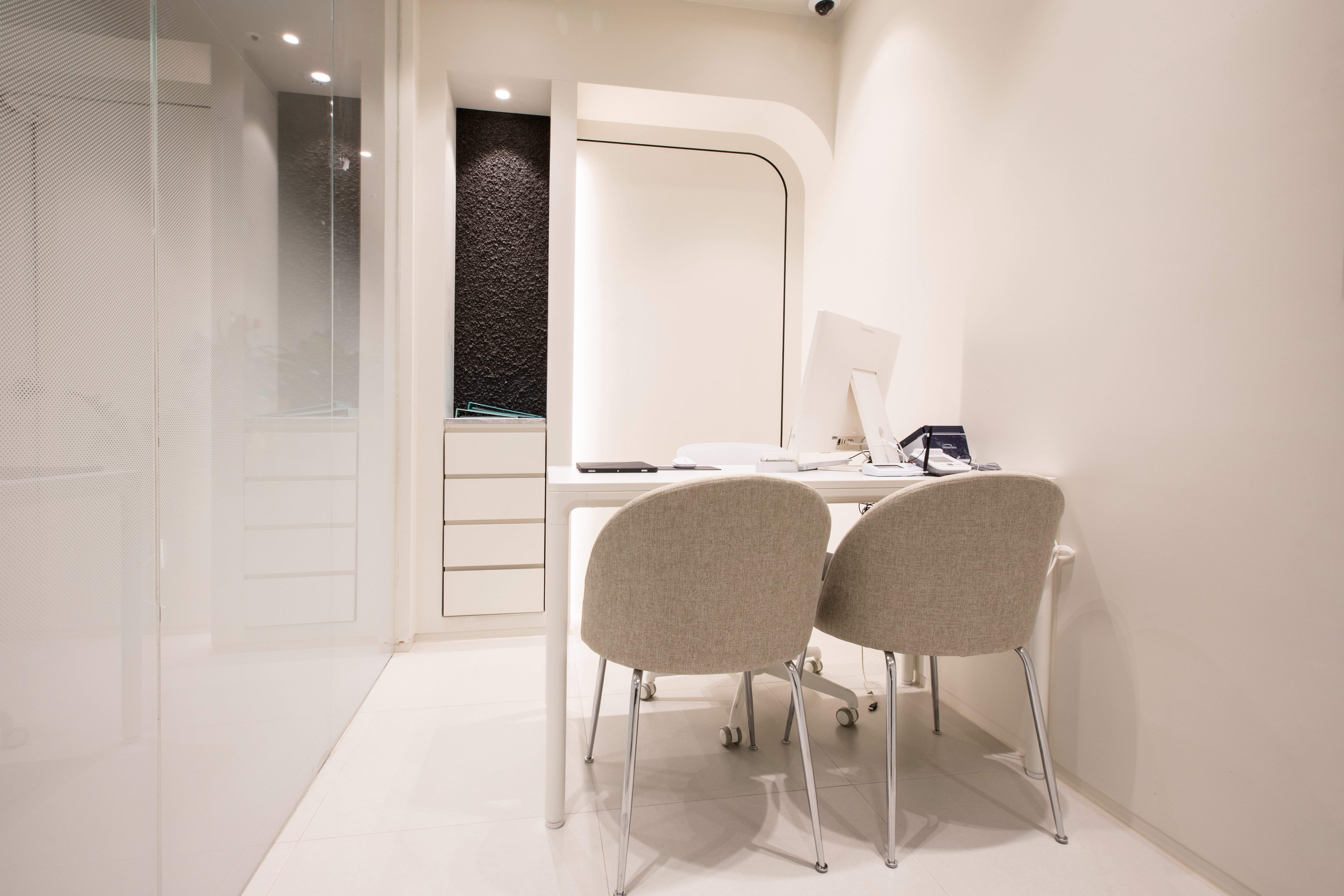
One-on-one consultation allows the patient to discuss concerns with the doctor involved in treatment planning. This is an opportunity to explain preferences, ask how the proposed option relates to the concern, and clarify what the treatment is designed to address. The conversation can also cover practical considerations such as timing and cost. Patients should feel able to ask questions before deciding whether to proceed.
Patients may arrive with a procedure already in mind, but a consultation can help test whether that choice aligns with their priorities. ODE Clinic’s planning approach considers treatment needs alongside timing of results, duration of effects, cost, and potential side effects. A discussion may therefore compare an option with other relevant categories, rather than treating a specific procedure as the automatic answer. The doctor can explain the intended role of a treatment and how it fits the patient’s stated goal. This does not mean every concern requires a procedure; it means the decision is discussed in context. Understanding the purpose and trade-offs of an option is part of making an informed choice.
Move through the planning stages
The clinic’s medical process provides a clear sequence from arrival to departure. After arrival, the patient has a one-on-one consultation and treatment design, followed by a re-consultation. A procedure, when selected, takes place in a private room, followed by customized care and departure. This structure gives the patient more than one point to clarify the plan and understand the next step.
The sequence can be summarized as a set of connected stages rather than a single decision at the first conversation. The consultation establishes the concern and possible approach; re-consultation provides another opportunity to review the design. If treatment proceeds, the private-room procedure is followed by customized care. Each stage has a distinct role, and patients can use the conversations to raise questions about the plan. Having a defined process helps keep planning, treatment, and care after the procedure connected.
| Stage | Role in the process |
|---|---|
| Arrival | Begin the clinic visit |
| One-on-one consultation and design | Discuss concerns and plan an approach |
| Re-consultation | Review the treatment plan |
| Private-room procedure | Carry out the selected treatment |
| Customized care | Provide care following the procedure |
| Departure | Complete the visit |
This sequence is a framework for an individual visit, not a promise that every patient will receive the same treatment. The selected approach depends on the consultation and the patient’s priorities. Patients can use the planning and re-consultation stages to confirm that they understand the intended treatment and any next steps. If the recommendation raises questions about timing, cost, or potential side effects, those points can be discussed before proceeding. A well-understood plan is more useful than a quick decision made without context.
Customized Treatment Planning Across Treatment Options
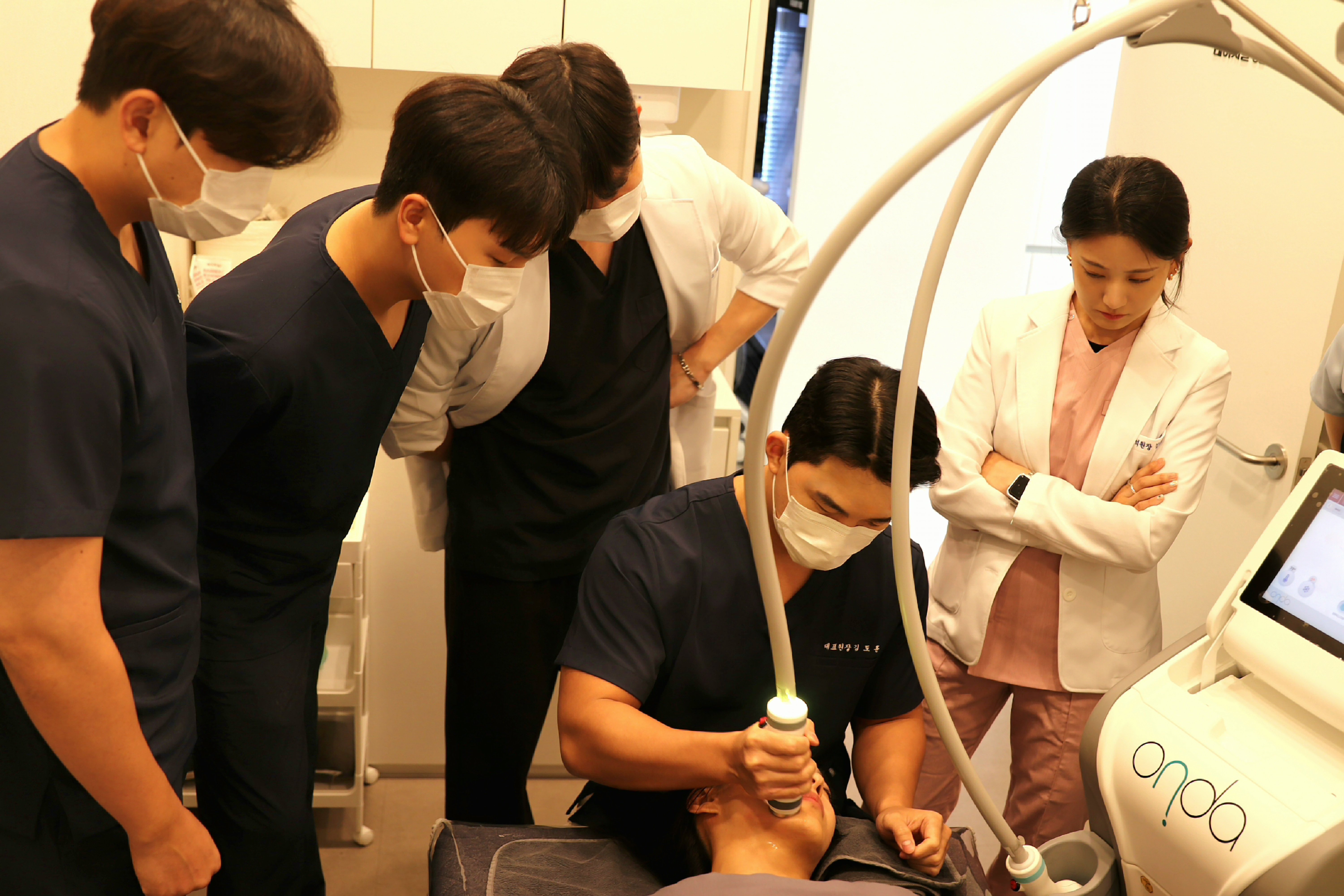
ODE Clinic offers care across volume, lifting and tightening, anti-aging, skin boosters, and body programs. These categories address different concerns, so treatment planning involves identifying which category is relevant before considering a particular procedure. The clinic has equipment including Ultherapy, Thermage, EMFACE, XERF, Density, Onda, Shurink, and Mirajet, as well as injectable options. The available range supports discussion of alternatives; it does not mean every option is appropriate for every patient.
Match the treatment category to the concern
Patients may describe concerns in everyday terms, such as reduced firmness, loss of facial volume, changes in skin texture, or a body-area goal. Translating those concerns into a treatment category is a practical part of consultation. Volume treatments, lifting and tightening procedures, skin boosters, anti-aging care, and body programs serve as broad areas for discussion. The plan should respond to the patient’s concern rather than treating all goals as interchangeable.
For example, ODE Clinic’s service areas include volume lifting and tightening, anti-aging, skin boosters, and body programs. The clinic also lists devices such as Ultherapy, Thermage, EMFACE, XERF, Density, Onda, Shurink, and Mirajet. Injectable options are part of the clinic’s treatment offerings as well. During planning, the doctor can discuss which general approach relates to the concern and explain the intended role of the selected option. The patient’s preferences and timing also matter: one person may prioritize a particular treatment schedule, while another may focus on a different goal. That is why category selection and procedure selection belong within an individual consultation.
Different treatment categories address different concerns, so the first task is to clarify the goal. The range of options at ODE Clinic supports a discussion of alternatives, with the final plan shaped by individual needs.
Compare options by purpose and practical factors
A comparison is most useful when it explains what each option is intended to address. Patients can ask how a proposed procedure relates to their concern, when changes may develop, how long effects may last, and what costs or potential side effects should be considered. The doctor can use those priorities to guide the discussion. Choosing by purpose is more informative than comparing procedure names alone.
ODE Clinic’s planning approach weighs patient needs, timing of results, duration of effects, cost, and potential side effects. These factors can make two options with different methods relevant to the same broader goal, while still giving each a distinct role. The clinic’s range of equipment allows discussion across lifting and tightening options, while its other service areas include volume care, skin boosters, anti-aging, and body programs. A patient can ask which differences matter for the concern at hand and whether an option fits their preferences. There is no need to assume that a more extensive plan is automatically more suitable. The goal is to understand the reasoning behind the recommendation and decide whether it matches the patient’s priorities.
Understand how equipment fits into the plan
Equipment is one element of treatment planning, not the starting point by itself. ODE Clinic has invested in devices including Ultherapy, Thermage, EMFACE, XERF, Density, Onda, Shurink, and Mirajet. The relevant question is how a particular option may fit the patient’s concern and the overall plan. Patients can ask the doctor to explain the proposed treatment’s purpose and how it compares with other relevant approaches.
The clinic’s equipment range spans options used across its lifting and tightening, skin booster, and body program services. Having multiple devices available can support a discussion of different approaches, but the presence of a device does not establish that it is the right choice for a particular person. Treatment planning still depends on the consultation and the patient’s goals. The doctor can explain why an option is being considered, what the patient should understand about it, and how practical factors such as timing and cost fit into the decision. This approach keeps the conversation centered on suitability rather than on equipment alone.
Patients can prepare for the discussion by identifying the concern they most want to address and noting any questions about timing, duration, or cost. It may also help to describe what matters most when comparing options. The consultation can then focus on the patient’s goals and the role of the treatment being discussed. Clear questions help make the treatment choice easier to understand.
Customized Treatment Planning Before and After a Procedure
Planning continues beyond the initial selection of a treatment. Before a procedure, the patient has an opportunity to review the design through consultation and re-consultation. After a procedure, customized care and follow-up conversations can help the patient understand the next steps. ODE Clinic also describes objective before-and-after comparison using skin diagnostic photos. Reviewing the plan and documenting change can support a clearer conversation about care over time.
Know what to ask before treatment
Before deciding, patients can confirm what concern the treatment is intended to address and why it is being considered. It is also reasonable to ask about the timing of changes, duration of effects, cost, and potential side effects. These are factors ODE Clinic considers when discussing recommendations. Asking focused questions helps ensure the plan reflects the patient’s priorities.
The one-on-one consultation and re-consultation provide opportunities to clarify the proposed approach. Patients can ask what role the selected procedure plays, whether another category is relevant, and what to expect from the care process. If the patient has a preference about timing or a concern about potential side effects, raising it helps make the discussion more specific. Cost is another practical consideration, and it can be reviewed in relation to the proposed treatment rather than in isolation. No one needs to decide based only on a treatment name or a general description. A patient should understand the aim of the plan and have a chance to discuss questions before choosing to proceed.
Before treatment, make sure the purpose and practical considerations are clear. Consultation, re-consultation, and follow-up help connect the decision with the care that comes afterward.
Follow the clinic’s care sequence
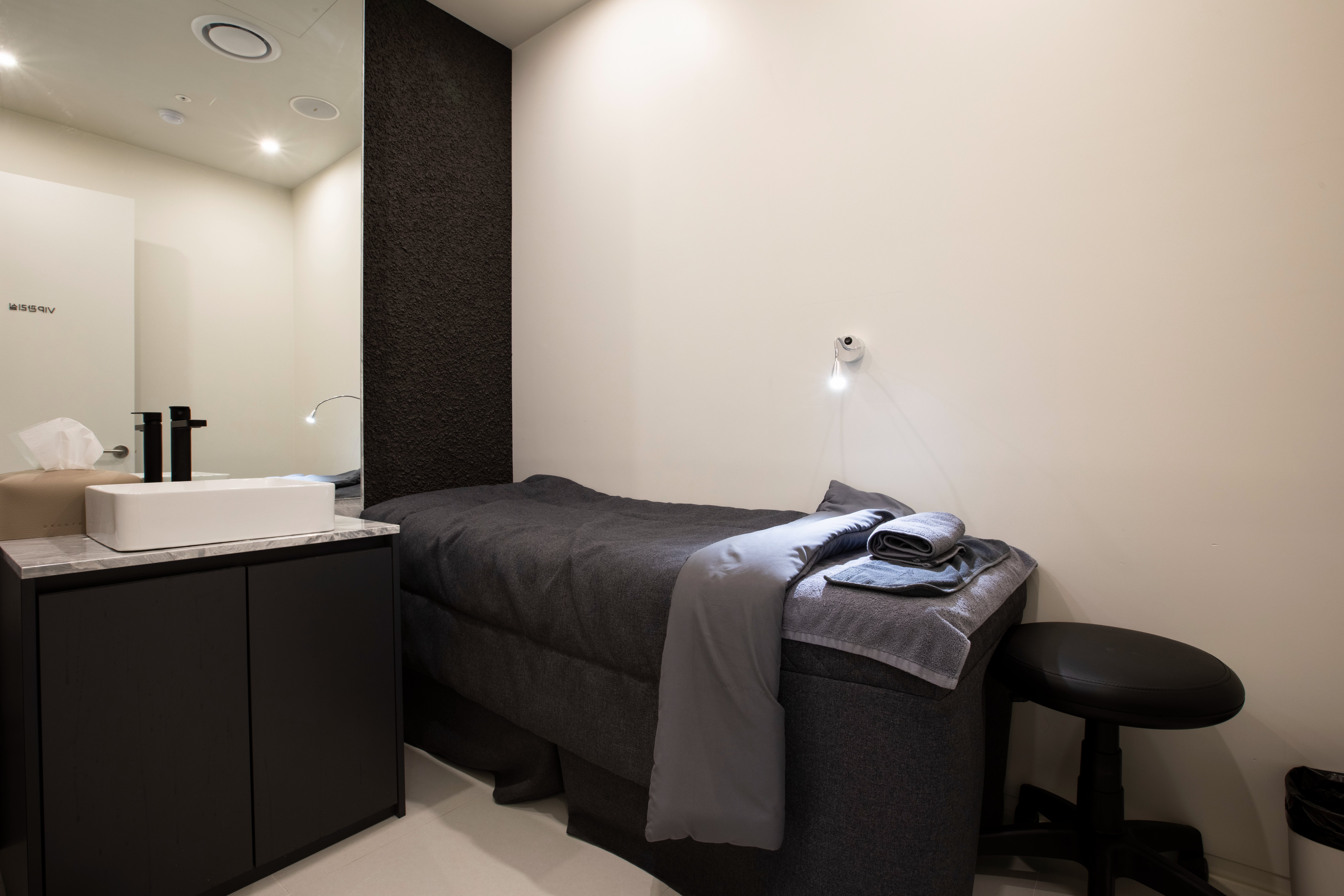
When a procedure is selected, ODE Clinic’s process includes treatment in a private room, followed by customized care. The specific procedure depends on the plan established through consultation. Patients should use the conversation with the medical staff to understand the relevant care instructions and any follow-up arrangements for that treatment. Care after a procedure is part of the planned visit, not an unrelated final step.
The clinic’s six-stage process places customized care after the private-room procedure and before departure. That sequence provides a point to discuss care after treatment and clarify any practical questions. The details depend on the procedure chosen, so patients should follow the instructions provided for their own treatment rather than applying general advice to every procedure. When questions arise later, a follow-up consultation can support review of the patient’s experience and concerns. ODE Clinic describes thorough follow-up consultations as part of its approach to patient care. Clear communication after treatment helps patients understand how to proceed with their individual plan.
Review progress with objective information
ODE Clinic uses skin diagnostic photos for before-and-after comparison and describes these comparisons as an objective way to review change. A follow-up conversation can provide an opportunity to discuss the patient’s experience and consider the next steps. Changes may take time depending on individual condition, so review should be considered in the context of the treatment selected and the patient’s goals.
Before-and-after images can give the patient and medical staff a shared reference during a follow-up discussion. They do not replace an explanation of the treatment or an individual assessment, but they can help organize the conversation around observed change. ODE Clinic describes objective comparisons using skin diagnostic photos alongside thorough follow-up consultations. Patients can use those conversations to raise questions about their experience and discuss whether the existing plan remains aligned with their goals. Reviewing progress is part of thoughtful planning because it connects the initial decision with care over time. Any decision about additional or future treatment should be discussed individually with the doctor.
For a consultation, patients can contact ODE Clinic at +82 2-569-0222 or visit 8F, Gyeongwon Building, 340 Gangnam-daero, Gangnam-gu, Seoul, Yeoksam-dong. The clinic’s listed hours are Monday to Friday, 11:30 AM to 8:30 PM, and Saturday to Sunday, 10:00 AM to 4:00 PM, with no lunch break. Patients can use the consultation to discuss their concerns and ask about the planning process before selecting a treatment.



Frequently Asked Questions
Q.What kind of clinic is Ode Clinic?
A.Ode Clinic is a dermatology clinic in Seoul offering volume, lifting and tightening, anti-aging, skin booster, and body program services. Treatment planning begins with a one-on-one consultation.
Q.Who may benefit from a consultation at Ode Clinic?
A.A consultation may suit people considering care for concerns related to volume, skin firmness, aging, skin quality, or body programs. The doctor discusses the patient’s needs before treatment options are selected.
Q.What treatments does Ode Clinic offer?
A.Services include lifting and tightening, volume treatments, skin boosters, anti-aging care, and body programs. The clinic has equipment including Ultherapy, Thermage, EMFACE, XERF, Density, Onda, Shurink, and Mirajet.
Q.What should I discuss before choosing a treatment?
A.Ask about the treatment’s purpose, timing of results, duration of effects, cost, and potential side effects. These factors are considered during treatment planning.
Q.Where is Ode Clinic, and how can I contact it?
A.Ode Clinic is at 8F, Gyeongwon Building, 340 Gangnam-daero, Gangnam-gu, Seoul, Yeoksam-dong. Call +82 2-569-0222 to contact the clinic.
Clinic Information
| Clinic | Ode Clinic |
|---|---|
| Specialty | Dermatology |
| Address | Seoul, Gangnam District, Gangnam-daero, 340 8F |
| Phone | +82 2-569-0222 |
| Website | https://odeclinicseoul.com/en |
 Ode Clinic