Understanding subtle anti aging results Seoul patients seek
A subtle approach to anti-aging treatment begins with identifying what you would like to change, rather than choosing a device first. Some people are concerned about skin firmness, while others notice a change in facial contours, volume, or texture. These concerns can occur together, but they do not necessarily call for the same treatment. At Ode Clinic, the consultation focuses on the individual’s needs and considers the expected timing of changes, cost, and potential side effects. The aim is to develop a plan that reflects your priorities, not a uniform treatment for every face.
What a subtle treatment goal means
For one person, a subtle goal may be improving the appearance of fine lines without adding visible facial volume. For another, it may mean addressing a particular area of sagging while preserving the features that make their face recognizable. These are preferences to discuss with the doctor, not outcomes any procedure can promise. Bringing a clear description of what bothers you—and what you would prefer not to change—helps make the consultation more useful.
It can also help to separate the appearance of the skin from the position or fullness of the tissue beneath it. A person who describes a face as looking “tired,” for example, may be noticing under-eye hollows, changes in the cheeks, skin texture, or a combination of concerns. Each has a different treatment consideration. A tightening procedure is intended to address firmness; it does not serve the same purpose as a filler designed to add volume. Similarly, a skin booster is selected for skin-quality concerns rather than as a substitute for every lifting procedure. Subtle does not mean identical treatment for everyone. The doctor can examine the relevant areas, explain which changes a proposed treatment is intended to address, and discuss whether the expected result fits your preference.
A natural-looking goal is most useful when it is specific: identify the area that concerns you and the degree of change you would welcome. The treatment choice should follow that discussion, rather than determine it.
Firmness, lifting, and volume are different goals
Tightening treatments focus on the skin’s firmness, while lifting treatments are selected to address sagging contours. Volume treatments, including fillers and collagen-stimulating injectables, address fullness in selected areas. Skin boosters focus on concerns such as texture, hydration, or fine lines. These categories can overlap in a treatment plan, but each has a distinct purpose. Understanding that distinction can prevent a mismatch between what a patient wants and what a procedure is designed to do.
For example, Thermage FLX delivers radiofrequency energy to the dermis, where it encourages collagen contraction and remodeling. Its intended changes are generally associated with skin tightening rather than a dramatic shift in facial contour. Ultherapy Prime uses focused ultrasound to create treatment points in deeper tissue and is considered for lifting concerns. Fillers, by contrast, add volume at selected injection sites. The doctor may also discuss a collagen-stimulating treatment when gradual volume change is appropriate. No single category should be assumed to address every concern. During consultation, ask which area is being treated, what kind of change is intended, and whether another approach would address your main concern more directly. If more than one concern matters, the doctor can explain whether a combination or sequence is appropriate for your circumstances.
How individual assessment guides the plan
Facial anatomy, skin condition, previous treatments, and personal preferences all matter when discussing an anti-aging procedure. For someone concerned about facial hollowing, for instance, the doctor can assess existing volume as well as sagging before recommending a lifting approach. A patient whose main concern is rough texture may need a different discussion from someone focused on the jawline. Personalized planning means considering these differences rather than applying the same treatment design to everyone.
At Ode Clinic, the doctor who performs the procedure conducts the consultation. The discussion can cover your goals, the proposed treatment area, the expected timing of changes, and potential side effects. Re-consultation provides an opportunity to clarify the plan before treatment. You can use that time to ask why a particular option has been suggested and whether the anticipated change is consistent with your preference for a restrained result.
| Primary concern | Treatment category | Example at Ode Clinic |
|---|---|---|
| Skin firmness | Radiofrequency tightening | Thermage FLX |
| Sagging contours | Focused ultrasound lifting | Ultherapy Prime |
| Facial volume | Injectable volume treatment | Juvelook Volume |
| Skin texture and fine lines | Skin booster | Re2O |
The table is a starting point for discussion, not a way to choose a procedure without an assessment. Each treatment has its own method, and an individual concern may have more than one contributing factor. A doctor can explain the proposed treatment area and how an option relates to your anatomy. It is equally reasonable to ask whether treatment is necessary now or whether a different approach would be more consistent with your goals.
How subtle anti aging results Seoul treatments may support
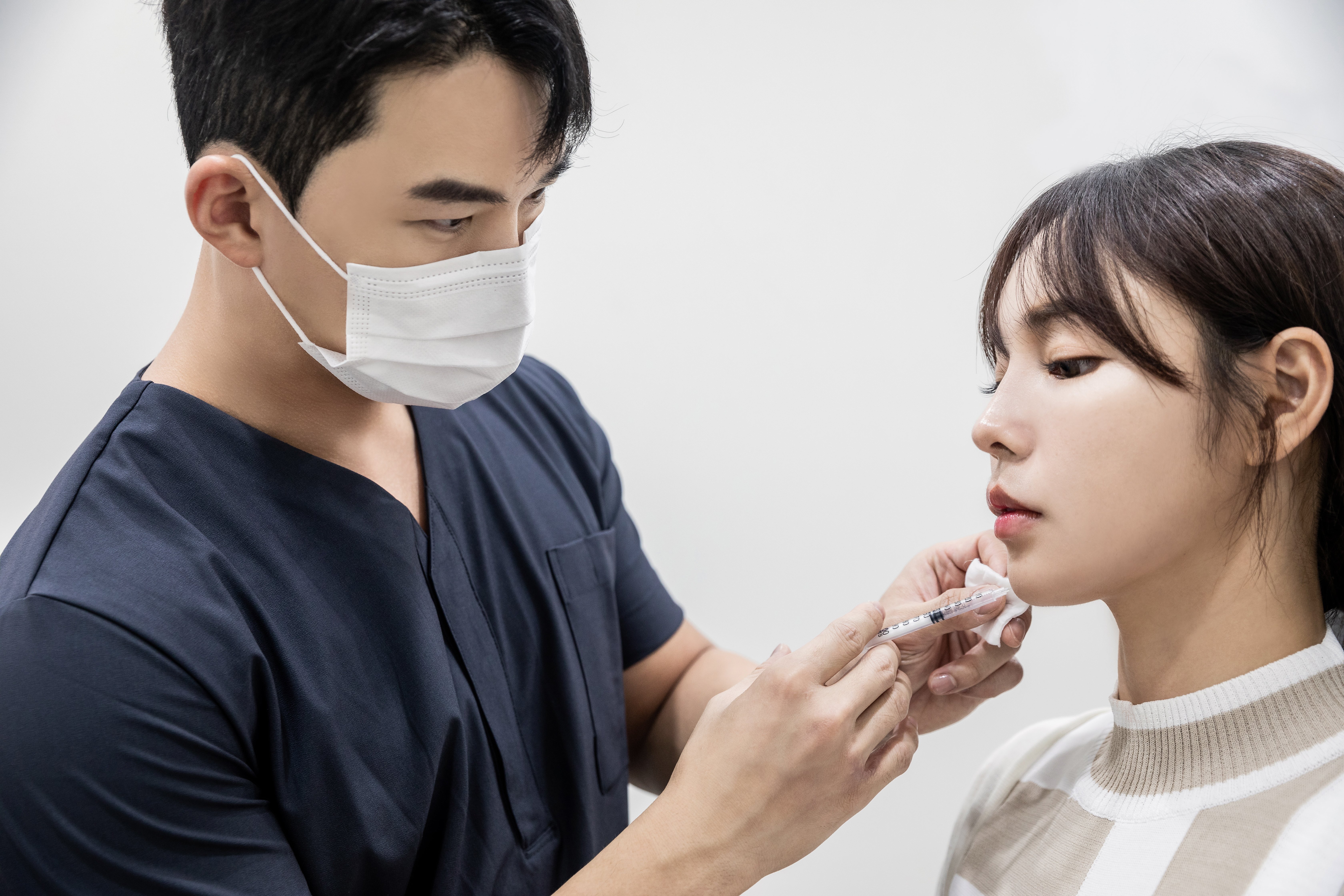
Anti-aging procedures work through different mechanisms. Energy-based treatments deliver ultrasound or radiofrequency to selected tissue layers, while injectable treatments may add volume or be used to address skin quality. The timing of visible changes differs between approaches and between individuals. Understanding the mechanism helps set a realistic expectation: a treatment intended to improve firmness should not be judged as though it were designed to add fullness. Ode Clinic offers lifting, tightening, volume, and skin booster treatments, allowing these goals to be discussed separately.
Ultrasound lifting and radiofrequency tightening
Ultherapy Prime uses focused ultrasound to create thermal treatment points in deeper tissue, including the layer involved in supporting facial structures. The treatment may be considered for concerns such as sagging cheeks or changes around the jawline. Thermage FLX takes a different approach: it uses radiofrequency energy to heat the dermis, encouraging collagen contraction and remodeling. The doctor’s assessment helps determine whether lifting, tightening, or another approach is more relevant to your concern.
Changes after radiofrequency treatment may develop gradually as collagen remodeling occurs. With Thermage, the treatment is intended to improve skin firmness and texture rather than produce a dramatic contour shift. Ultherapy is discussed in relation to lifting, so it is important to describe precisely where you see sagging and whether you are also concerned about facial volume. Ode Clinic also offers DEEP MODE XERF, a radiofrequency treatment used for concerns including elasticity and facial sagging. Device selection is only part of the plan: the treatment area and settings should be considered in relation to the individual. During consultation, ask the doctor what the proposed procedure is intended to change and how that differs from the alternatives. Results vary, and no device can promise a particular appearance.
Ultrasound lifting and radiofrequency tightening are not interchangeable simply because both are used in anti-aging care. The right discussion starts with whether your main concern is sagging, skin firmness, or a combination of both.
Volume treatments and skin boosters
Volume loss and changes in skin quality can affect appearance in different ways. Fillers are used to add volume in selected areas, while collagen-stimulating treatments are intended to encourage gradual changes in tissue. Juvelook Volume is a collagen-stimulating injectable discussed for concerns such as sunken cheeks. It is distinct from Juvelook Skin, which is used as a skin booster. The appropriate choice depends on the area, the concern, and the doctor’s assessment.
Re2O is a skin booster made from processed human-derived dermal tissue. At Ode Clinic, it may be administered at different skin depths depending on whether the discussion centers on elasticity or on concerns such as texture and fine lines. Skin boosters should not be assumed to replace a treatment chosen for facial volume or lifting. Likewise, adding volume is not necessarily the answer to a concern that is primarily about skin texture. Ask what the injectable is intended to do in the specific area being treated. The doctor can explain the proposed method, expected timing, and relevant precautions. Some changes may be noticed sooner than others, while collagen-related changes can take time. An individual plan should also account for previous injectable treatments and any concerns about additional volume.
Combining treatments thoughtfully
A combination may be discussed when concerns involve more than one category, such as skin laxity alongside volume loss. That does not mean every patient needs multiple procedures. The decision should depend on the examination, the patient’s priorities, the expected timing of changes, and the practical considerations of each treatment. If you prefer to start with one concern, say so. The doctor can explain what a single treatment is intended to address and what it may leave unchanged.
Sequencing can be part of the conversation as well. For example, a patient considering both an energy-based procedure and an injectable can ask how the proposed order relates to the treatment areas and assessment. Avoid assuming that a larger number of procedures will produce a more subtle or more noticeable result. The useful question is whether each proposed step has a clear purpose that matches your priorities and comfort with treatment.
Before agreeing to a plan, consider asking the doctor to identify the primary concern, the proposed procedure, and the reason for its selection. Discuss the expected timing of changes and how follow-up will be handled. If the plan includes more than one treatment, ask which step addresses which concern. A clear explanation makes it easier to decide whether the plan feels proportionate to the change you want.

Planning subtle anti aging results Seoul consultations around your needs
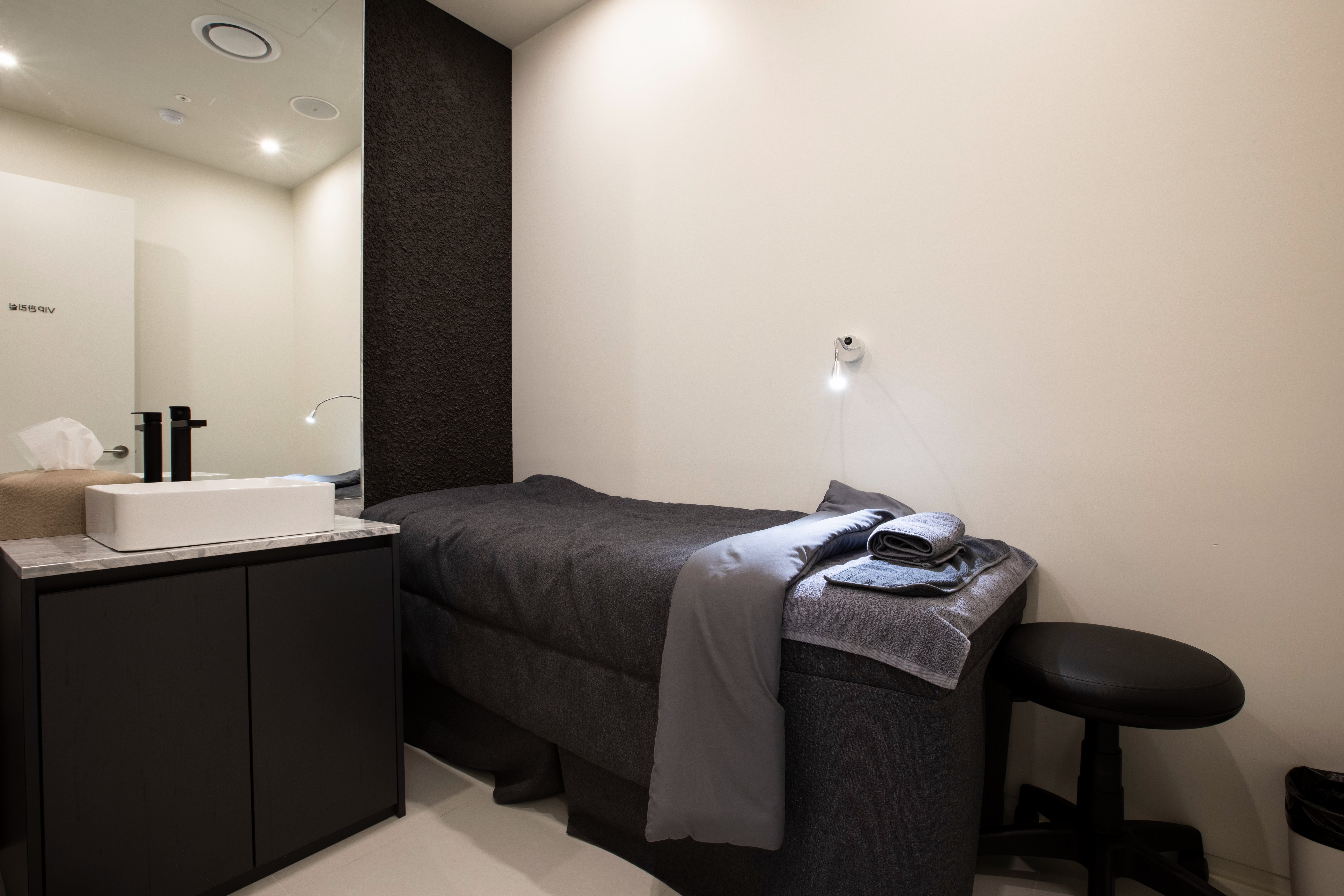
A useful consultation covers more than the name of a procedure. It should also address your medical history, the appearance you hope to preserve, potential side effects, and the care needed afterward. Ode Clinic follows a process that includes consultation, re-consultation, treatment in a private room, and personalized post-procedure care. The process gives patients an opportunity to ask questions before the plan is finalized. Treatment decisions remain individual, and changes may take time depending on the procedure and the person’s condition.
Preparing for your consultation
Before visiting, write down the areas you would like to discuss and describe the kind of change you are seeking. It can be helpful to distinguish a concern about texture from one about sagging or lost volume. Tell the doctor about previous cosmetic procedures and any relevant medical conditions, medications, allergies, or current skin problems. This information helps the medical staff assess the proposed treatment and discuss appropriate precautions.
Bring questions about the treatment itself as well as the result you hope to see. You might ask which tissue or skin layer the procedure is intended to address, whether the change is expected to appear gradually, and what alternatives are available. If you have an upcoming event or limited time for recovery, mention that during the discussion. It is also reasonable to ask about the expected cost of the proposed plan before deciding. A photograph or a description of your preferences can support the conversation, but another person’s result should not be treated as a prediction of your own. The doctor can explain what is appropriate for your anatomy and whether the requested change aligns with the treatment’s purpose. Re-consultation gives you another opportunity to clarify any points before proceeding.
Preparation makes the consultation more productive: describe both what you want to improve and what you want to preserve. A well-explained plan should connect those preferences to a specific treatment purpose and a realistic discussion of care.
Points to consider before treatment
All procedures require a discussion of potential risks and suitability. Energy-based treatments can cause temporary redness, swelling, or a sensation of heat; burns or blistering can also occur. Injectable procedures can cause bruising or swelling, and the doctor can explain other risks relevant to the selected product and treatment area. Tell the medical staff about any previous reactions or concerns so these can be considered before treatment.
Comfort and recovery also deserve attention when comparing options. A procedure that suits one person’s goals may not fit another person’s schedule or tolerance for discomfort. Ask what sensations to expect during treatment, which temporary changes may occur afterward, and what signs should prompt you to contact the clinic. Ode Clinic offers personalized post-procedure care, so use the consultation to understand the instructions for your particular plan. If you are considering an injectable, ask how the treatment is prepared and administered, as well as what follow-up is recommended. Never judge suitability solely by a procedure’s name or another person’s experience. The doctor’s assessment, your medical history, and your preferences all matter. Changes may take time depending on individual condition, and results can differ from person to person.
Following up and assessing changes
Subtle changes can be difficult to assess from memory alone. Ode Clinic uses diagnostic photographs for before-and-after comparisons and offers follow-up consultations to review changes. Images can support a discussion about the treated area, although lighting, facial expression, and the timing of the comparison also matter. Ask when a review would be useful for your chosen procedure and what changes the doctor expects to assess at that point.
After treatment, follow the individualized instructions given by the medical staff and contact Ode Clinic if you have a concern about your recovery. At follow-up, describe what you have noticed rather than focusing only on whether the result is immediately visible. The doctor can review the treatment area with you and discuss whether the change is consistent with the treatment’s intended purpose. Further treatment should be considered in light of that assessment and your preferences.
Finally, allow room for a measured decision. A subtle anti-aging plan does not need to address every concern at once, and a consultation is an opportunity to understand your options. Discuss the areas that matter most, ask about realistic timing and potential side effects, and make sure you understand the proposed care. Ode Clinic’s approach is based on attentive consultation and treatment tailored to the individual, with continued care after the procedure.



Frequently Asked Questions
Q.What does Ode Clinic offer?
A.Ode Clinic is a dermatology clinic offering anti-aging care, including lifting, tightening, volume treatments, skin boosters, and body programs. Treatment plans are discussed individually with the doctor.
Q.Who might consider a consultation?
A.A consultation may be useful for someone concerned about skin firmness, facial sagging, volume loss, or skin texture. The doctor can assess the concern and discuss appropriate options.
Q.Which treatments are available for lifting and skin quality?
A.Ode Clinic offers Ultherapy Prime for lifting concerns, Thermage FLX for skin tightening, and Re2O as a skin booster. The choice depends on the treatment goal and individual assessment.
Q.What should I prepare before a visit?
A.Consider which areas you would like to discuss and the amount of change you are comfortable with. Bring relevant information about previous procedures, medical conditions, medications, and allergies.
Q.Where is Ode Clinic, and how can I contact the clinic?
A.Ode Clinic is at 8F, Gyeongwon Building, 340 Gangnam-daero, Gangnam-gu, Seoul. For consultation inquiries, call +82 2-569-0222.
Clinic Information
| Clinic | Ode Clinic |
|---|---|
| Specialty | Dermatology |
| Address | Seoul, Gangnam District, Gangnam-daero, 340 8F |
| Phone | +82 2-569-0222 |
| Website | https://odeclinicseoul.com/en |
 Ode Clinic