
Why a one on one Ultherapy consultation matters
Choosing a lifting treatment starts with understanding what you want to address. At Ode Clinic, the doctor who performs the procedure conducts the consultation directly, allowing treatment decisions to be discussed with the person responsible for carrying them out. The purpose is to develop a plan around the individual patient rather than apply the same approach to everyone. The conversation can cover the areas of concern, facial volume, expectations, potential side effects and the practical details of treatment.
A direct conversation with the treating doctor
Facial sagging does not look the same for everyone. One patient may be most concerned about the jawline, while another notices changes around the cheeks or eyebrows. A direct consultation gives the doctor an opportunity to assess those concerns and explain whether Ultherapy is an appropriate option. It also gives the patient time to ask how the treatment is planned and what level of change might be realistic.
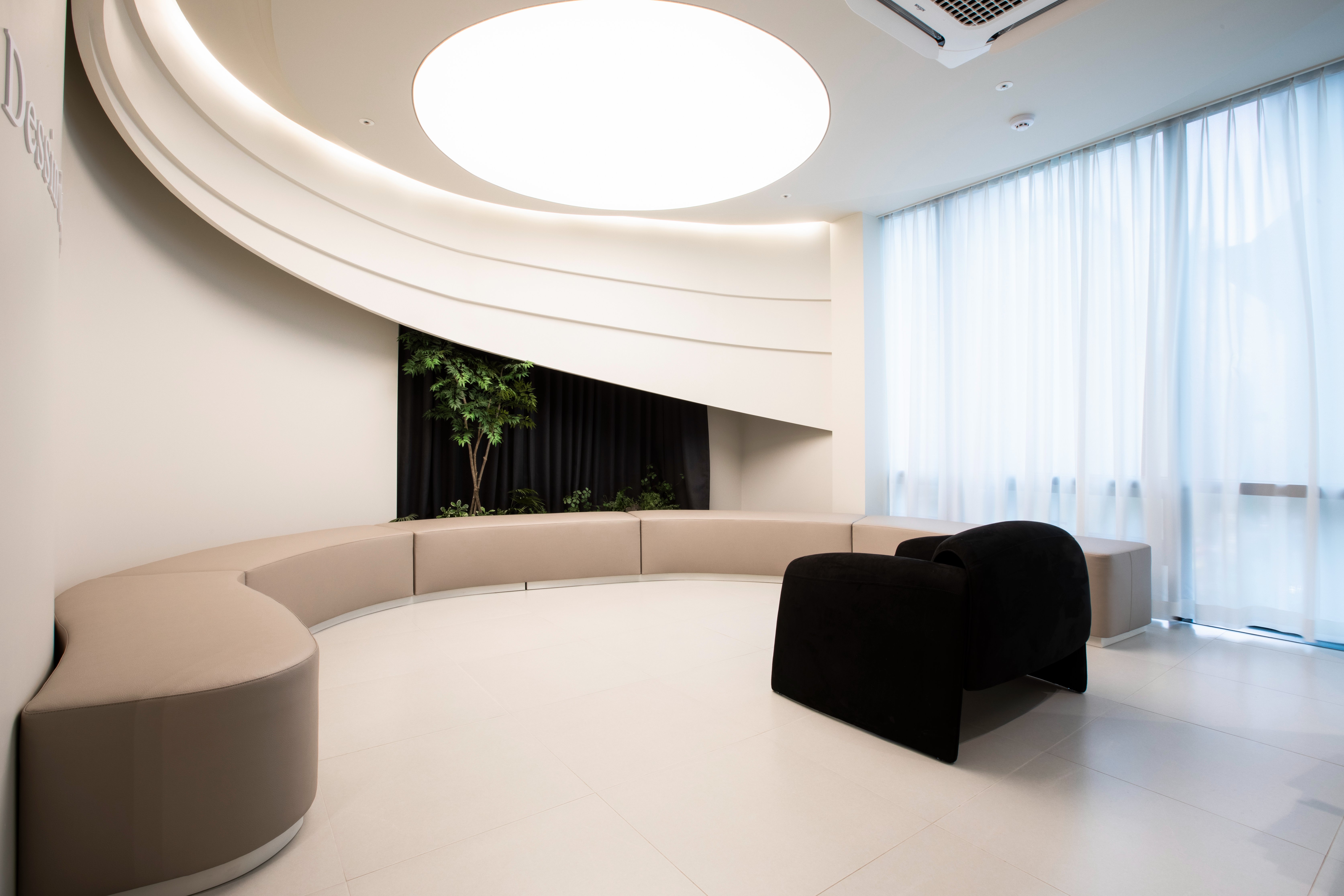
At our clinic, consultation and treatment take place in a private room. This setting allows patients to discuss concerns that can be difficult to explain in a brief conversation, including previous experiences with aesthetic treatments or worries about changes in facial volume. The doctor can then consider those preferences alongside the physical assessment. A useful consultation is a two-way discussion: the patient describes what matters, and the doctor explains the options and their limitations. If a different approach is more appropriate for the concern being assessed, that can be discussed before a decision is made.
A personalized consultation is not simply a step before treatment. It is where the patient and doctor clarify the concern, review the options and decide whether Ultherapy fits the goal.
Turning concerns into a treatment plan
Ultherapy Prime uses focused ultrasound to deliver energy to deeper tissue layers, including the superficial muscular aponeurotic system, or SMAS. The treatment is intended to address lifting concerns, but the areas selected and the treatment plan should reflect the individual assessment. Patients can discuss concerns such as sagging cheeks, the jawline, the area under the chin or the appearance of the brow.
The distinction between lifting, tightening and restoring volume is useful here. These goals are related, but a single treatment does not necessarily address all of them in the same way. Ultherapy focuses on lifting, while a radiofrequency treatment such as Thermage FLX focuses on skin tightening. Volume treatments address a different concern. At Ode Clinic, the doctor can explain these differences and consider whether Ultherapy or another available option better matches the patient’s priorities. The treatment name alone does not determine the right plan; the assessment and the patient’s goals matter.
What to bring to the conversation
Before the appointment, consider which areas bother you most and what kind of change you are looking for. It can also help to note previous facial procedures, any concerns about discomfort and questions about recovery. Bring a list of medications and relevant health information so the doctor can consider them during the assessment.
Be specific about preferences as well as concerns. For example, a patient who is worried about a hollow appearance can ask how existing facial volume affects treatment planning. Someone concerned about discomfort can ask about the comfort measures available. Sharing these details early gives the doctor a clearer basis for discussing the treatment approach.
| Consultation topic | What to discuss |
|---|---|
| Primary concern | Areas of sagging or changes in facial contour |
| Facial volume | Concerns about fullness or a hollow appearance |
| Treatment history | Previous facial procedures and experiences |
| Practical questions | Discomfort, potential side effects, cost and follow-up |
There is no need to arrive with a device already selected. The consultation is an opportunity to learn what each option is designed to do and to decide with the doctor whether treatment is appropriate. Writing down questions in advance can make it easier to leave with a clear understanding of the proposed approach and the next steps.
What a one on one Ultherapy consultation covers
A consultation at Ode Clinic brings together the patient’s goals and the doctor’s assessment. The discussion can include how Ultherapy works, which areas might be treated and how the plan takes facial volume into account. It should also cover what to expect from treatment, including discomfort and possible side effects. The aim is an informed decision, not an assumption that Ultherapy is suitable for every patient.
How Ultherapy is intended to work
Ultherapy Prime is a focused ultrasound treatment designed for lifting. The ultrasound energy creates targeted thermal effects in deeper tissue layers. The treatment can be considered for concerns involving sagging around the cheeks, jawline, under the chin and brow area, depending on the assessment.
Patients often compare lifting treatments with procedures intended to improve skin firmness. That distinction is worth discussing because the desired change determines which approach may be more relevant. Ultherapy is used for lifting, whereas Thermage FLX uses radiofrequency energy to address skin tightening. Neither description means that a particular result can be promised. The doctor can explain the intended treatment areas, the proposed plan and how individual facial characteristics affect the recommendation. Changes may take time depending on individual condition, and the degree of visible change can differ from person to person.
Understanding the goal of treatment is as important as understanding the device. A conversation about lifting, skin firmness and facial volume helps make the proposed plan easier to evaluate.
Considering facial volume and treatment alternatives
Some patients want to address sagging but are concerned about losing facial fullness. During the consultation, the doctor can assess facial volume and explain how that consideration influences the proposed Ultherapy plan. Patients should describe any areas where they already feel hollow or where preserving fullness is particularly important.
Ode Clinic offers lifting and tightening treatments including Ultherapy, Thermage, XERF, Density and EMFACE. These treatments use different technologies and are not interchangeable. For example, Ultherapy uses focused ultrasound, while Thermage uses radiofrequency energy. The doctor can explain why an option is being considered and what it is intended to address. Depending on the assessment, the conversation may also include volume treatments or skin boosters. The presence of multiple options does not mean every patient needs more than one treatment. The choice should follow the patient’s concerns, the clinical assessment and an understanding of the potential benefits and limitations.
Points to consider before treatment
Ask the doctor about expected sensations during the procedure, potential side effects and what to do if concerns arise afterward. Discomfort can occur during energy-based treatment, so it is worth discussing your tolerance and the available comfort options. Ode Clinic offers nitrous oxide sedation as an option for Ultherapy; the doctor can discuss whether it is appropriate for you.
It is also reasonable to ask how the proposed treatment areas and plan were selected. If you are unsure about any part of the recommendation, request an explanation before proceeding. Understanding the intended benefit, possible risks and alternatives is an important part of giving informed consent.
| Treatment | Technology and general focus |
|---|---|
| Ultherapy Prime | Focused ultrasound for lifting concerns |
| Thermage FLX | Radiofrequency treatment for skin tightening |
| EMFACE | Muscle stimulation and synchronized radiofrequency |
Cost is another part of an informed decision. The doctor can explain the proposed plan and its associated cost before treatment, so patients can consider the recommendation without relying on a device name alone. Questions about the expected timing of changes, follow-up and any additional treatment should be addressed as part of the same discussion.

Preparing for a one on one Ultherapy consultation at Ode Clinic
Preparation can be straightforward: identify your main concern, gather relevant treatment and health information, and bring the questions you want answered. At Ode Clinic, the consultation is conducted by the doctor who performs the procedure. The process also includes treatment planning, a private treatment room and care tailored to the patient. A clear discussion before treatment helps align the plan with the patient’s priorities.
Questions that help clarify your options
Start by asking whether your main concern is better described as sagging, reduced firmness or volume loss. You can then ask why Ultherapy is being recommended, which areas the doctor proposes treating and how your facial characteristics affect that plan. If another treatment is discussed, ask what it is intended to address and how it differs from Ultherapy.
Practical questions are equally important. Ask what the procedure may feel like, which comfort measures are available and what side effects you should understand before deciding. You can also ask when to expect changes and how follow-up works. If you have a particular event or scheduling concern, mention it during the consultation so the doctor can take timing into account. It is appropriate to take time to consider the explanation. A treatment plan should be understandable to the patient, including its intended purpose and its limitations.
Good preparation does not require medical knowledge. It requires a clear account of your concerns and enough time to ask how the proposed treatment relates to them.
Follow-up and assessment of change
Ode Clinic uses diagnostic photographs for before-and-after comparisons and offers follow-up consultations. These comparisons can help the doctor and patient review changes in a more structured way than relying on memory alone. Ask how follow-up will be arranged and what concerns should prompt you to contact our clinic after treatment.
The timing and extent of visible change depend on individual circumstances. During follow-up, the doctor can review the treated areas, listen to the patient’s observations and discuss whether any further care is appropriate. Photographs are one part of that conversation, not a promise of a particular outcome. The same applies to future treatment: a recommendation should be based on the patient’s condition and goals at that time. Consistent communication before and after a procedure is part of Ode Clinic’s approach to care.
Making an informed choice
Patients do not need to decide on Ultherapy before speaking with the doctor. A consultation can clarify whether the treatment addresses the concern, whether another option is worth considering and what the proposed plan involves. It is also the right time to discuss cost, potential side effects and the expected course of follow-up.
For patients comparing lifting and tightening options, the most useful question is not simply which device is available. Ask how the doctor’s recommendation relates to your particular concern and what change the treatment is intended to achieve. That discussion provides a more meaningful basis for deciding whether to proceed.
Ode Clinic’s approach emphasizes individualized treatment, attentive listening and consistent care before and after procedures. Whether you are exploring treatment for the first time or have had previous procedures, bring your priorities to the consultation and ask for an explanation that makes sense to you.



Frequently Asked Questions
Q.What does Ode Clinic offer?
A.Ode Clinic provides dermatology services including lifting and tightening, volume treatments, skin boosters, anti-aging care and body programs. Consultations are conducted directly by the doctor who performs the procedure.
Q.Who might consider an Ultherapy consultation?
A.Patients concerned about sagging around the cheeks, jawline, under the chin or brow area can discuss whether Ultherapy is appropriate. The doctor considers the individual’s concerns and facial characteristics before recommending a treatment.
Q.How is Ultherapy treatment planned?
A.The doctor discusses the patient’s goals and assesses the areas of concern, including facial volume. The consultation can also cover alternatives such as Thermage or other lifting and tightening treatments.
Q.What should I prepare before a consultation?
A.Note your main concerns, previous facial treatments, relevant health information and any questions about discomfort, cost or follow-up. This helps guide the discussion with the doctor.
Q.Where is Ode Clinic, and how can I contact our clinic?
A.Ode Clinic is at 8F, 340 Gangnam-daero, Gangnam District, Seoul. For consultation or booking inquiries, call +82 2-569-0222.
Clinic Information
| Clinic | Ode Clinic |
|---|---|
| Specialty | Dermatology |
| Address | Seoul, Gangnam District, Gangnam-daero, 340 8F |
| Phone | +82 2-569-0222 |
| Website | https://odeclinicseoul.com/en |
 Ode Clinic